
Explore Advanced Laser Therapy Equipment for Clinics

Laser therapy has become an essential tool in modern clinical practice. It offers non-invasive treatment options that promote healing, reduce pain, and improve patient outcomes. As a practitioner, I understand the importance of integrating advanced laser therapy equipment into clinical settings to enhance treatment effectiveness and patient satisfaction. This article explores the latest advancements in laser therapy equipment, practical applications, and considerations for clinics aiming to adopt these technologies.
Understanding Advanced Laser Therapy Equipment
Advanced laser therapy equipment uses specific wavelengths of light to stimulate cellular function and promote tissue repair. These devices vary in power, wavelength, and delivery methods, allowing for tailored treatments based on patient needs and clinical goals.
Key Features of Advanced Laser Therapy Equipment
Wavelength Range: Devices typically operate within the red to near-infrared spectrum (600-1000 nm), which penetrates tissues at different depths.
Power Output: Higher power lasers can treat deeper tissues more effectively, while lower power devices are suitable for superficial conditions.
Treatment Modes: Continuous wave and pulsed modes offer flexibility in managing different types of injuries and pain.
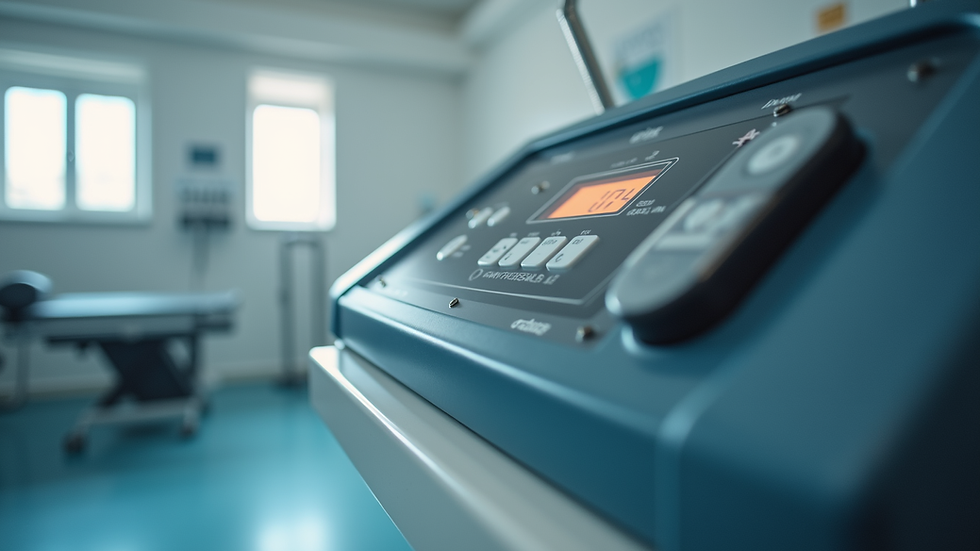
Portability and User Interface: Modern equipment often includes touchscreen controls and portable designs for ease of use in various clinical environments.
Clinics benefit from selecting equipment that balances power, versatility, and ease of operation. This ensures treatments are both effective and efficient.

Benefits of Integrating Advanced Laser Therapy Equipment
Incorporating advanced laser therapy equipment into clinical practice offers several advantages:
Non-Invasive Treatment: Laser therapy reduces the need for surgical interventions and minimizes patient discomfort.
Accelerated Healing: It stimulates cellular metabolism, promoting faster tissue repair and regeneration.
Pain Management: Laser therapy modulates nerve function and reduces inflammation, providing effective pain relief.
Versatility: Suitable for a wide range of conditions including musculoskeletal injuries, neuropathic pain, and wound healing.
Improved Patient Outcomes: Enhanced recovery times and reduced reliance on medications improve overall patient satisfaction.
For example, in physiotherapy clinics, laser therapy can complement manual therapy and exercise programs, leading to more comprehensive care plans.
Selecting the Right Equipment for Your Clinic
Choosing the appropriate laser therapy equipment requires careful consideration of clinical needs, budget, and regulatory compliance. Here are some practical steps to guide the selection process:
Assess Clinical Applications
Identify the most common conditions treated in your clinic. For deep tissue injuries, devices with higher power and longer wavelengths are preferable. For superficial skin conditions, lower power lasers may suffice.
Evaluate Device Specifications
Review technical details such as wavelength, power output, treatment area size, and modes of operation. Ensure the device meets safety standards and has necessary certifications.
Consider User Experience
Equipment should be user-friendly with clear controls and easy maintenance. Training and support from the manufacturer are also important.
Budget and Cost Efficiency
Balance initial investment with long-term benefits. Consider warranty, service agreements, and consumable costs.
Supplier Reputation
Work with reputable suppliers who provide reliable products and after-sales support. For clinics in North America, sourcing from trusted providers of laser therapy equipment Canada can ensure quality and compliance.
By following these steps, clinics can make informed decisions that enhance treatment capabilities and patient care.

Practical Applications of Laser Therapy in Clinical Settings
Laser therapy is versatile and can be applied across various clinical scenarios. Here are some common uses and treatment protocols:
Musculoskeletal Injuries
Conditions such as tendonitis, sprains, and muscle strains respond well to laser therapy. Treatment typically involves applying the laser to the affected area for 5-10 minutes per session, repeated multiple times per week.
Chronic Pain Management
Laser therapy helps reduce inflammation and modulate nerve signals in chronic conditions like arthritis and neuropathy. Pulsed laser modes are often used to avoid tissue overheating.
Wound Healing and Skin Conditions
Low-level laser therapy accelerates healing of ulcers, burns, and surgical wounds by stimulating collagen production and improving blood flow.
Post-Surgical Recovery
Laser therapy can reduce swelling and pain after surgery, promoting faster rehabilitation.
Neurological Rehabilitation
Emerging research supports laser therapy’s role in nerve regeneration and functional recovery after neurological injuries.
Clinics should develop treatment protocols based on evidence-based guidelines and patient response. Combining laser therapy with other modalities often yields the best results.
Maintenance and Safety Considerations
Proper maintenance and adherence to safety protocols are critical for effective and safe laser therapy treatments.
Regular Equipment Checks
Inspect devices for damage, clean lenses, and verify calibration according to manufacturer instructions.
Operator Training
Ensure all users are trained in device operation, safety measures, and contraindications.
Patient Safety
Use protective eyewear for both patients and operators. Screen patients for contraindications such as pregnancy, cancer, or photosensitivity.
Documentation
Maintain detailed treatment records including device settings, duration, and patient response.
By prioritizing safety and maintenance, clinics can maximize the benefits of advanced laser therapy equipment while minimizing risks.
Future Trends in Laser Therapy Technology
The field of laser therapy continues to evolve with innovations that improve treatment precision and outcomes.
Smart Devices
Integration of AI and sensors allows real-time monitoring and adjustment of treatment parameters.
Wearable Laser Therapy
Portable, wearable devices enable continuous therapy outside clinical settings.
Combination Therapies
Devices combining laser with other modalities such as ultrasound or electrical stimulation are gaining popularity.
Expanded Clinical Indications
Ongoing research is exploring laser therapy applications in areas like oncology rehabilitation and dermatology.
Staying informed about these trends helps clinics remain at the forefront of patient care and technology adoption.
Enhancing Clinical Practice with Advanced Laser Therapy Equipment
Incorporating advanced laser therapy equipment into clinical practice offers a pathway to improved patient care and operational efficiency. By selecting the right devices, applying evidence-based protocols, and maintaining rigorous safety standards, clinics can unlock the full potential of laser therapy.
For clinics seeking reliable and innovative solutions, partnering with established suppliers ensures access to quality products and support. Exploring options such as laser therapy equipment Canada can provide access to cutting-edge technology tailored to clinical needs.
Investing in advanced laser therapy equipment is a strategic decision that supports better patient outcomes and positions clinics for future growth in a competitive healthcare environment.


Comments